

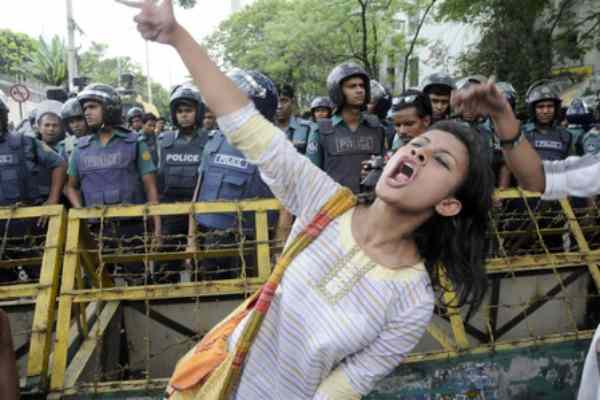
More than 2,000 students, teachers and academics have allegedly faced politically motivated persecution across higher education sector in Bangladesh, according to a new report by Justice Makers Bangladesh in France (JMBF).
At A Glance:
-
A JMBF report identified 2,051 students, teachers and academics allegedly facing political persecution across 229 higher education institutions.
-
The findings cover 1,569 students and 482 teachers and academics between August 2024 and October 2026.
-
The report documented campus exclusions, physical attacks, criminal cases, forced resignations and restrictions on examinations.
Why are thousands of students and academics facing alleged discrimination in Bangladesh’s higher education sector? A human rights investigation has identified politically motivated exclusion, intimidation and other violations across 229 institutions, raising serious questions about academic freedom and institutional independence.
More than 2,000 students, teachers and academics have allegedly faced politically motivated persecution across Bangladesh’s higher education sector, according to a new report by Justice Makers Bangladesh in France (JMBF).
The organisation identified 2,051 affected individuals across 229 higher education institutions, raising serious concerns about academic freedom, political discrimination and access to education.
The findings cover the period from August 2024 to October 2026. They include 1,569 students and 482 teachers and academics who allegedly experienced various forms of persecution because of their political affiliations or actual or perceived sexual orientation.
The report, titled ‘Persecution of Teachers and Students in Bangladesh’s Higher Education Sector: Academic Exclusion, Coercion and the Struggle for Justice and Accountability‘, documents a pattern of exclusion, intimidation, violence and discriminatory treatment within educational institutions.
Awami League Affiliations Among Key Reasons for Alleged Persecution
JMBF identified political affiliations with the Awami League and its affiliated organisations as a major factor behind the alleged targeting of students and academic professionals.
The report particularly highlighted individuals associated with the Awami League’s student wing, Chhatra League. It alleged that teachers and students faced adverse treatment because of their actual or perceived political opinions and connections.
The organisation also documented cases involving discrimination based on actual or perceived sexual orientation.
According to the report, these incidents reflect a wider pattern of politically motivated action within Bangladesh’s higher education system. The alleged violations affected students’ access to education and teachers’ professional security.
Campus Exclusion, Physical Attacks and Forced Resignations
The investigation identified several forms of alleged persecution across universities and other higher education institutions.
These included exclusion from academic activities, politically motivated disciplinary proceedings, physical assaults, threats and intimidation. The report also documented criminal allegations, restrictions on examinations and forced resignations.
Students reportedly faced restrictions on entering campuses, accessing residential accommodation and appearing in examinations. Such measures directly affected their ability to continue their education and participate in academic activities.
Teachers and academics experienced a different set of pressures. These allegedly included professional boycotts, disciplinary proceedings, criminal accusations and coercion to leave their jobs.
The report also highlighted cases of students losing access to residential facilities. It identified discrimination and institutional restrictions as major concerns affecting the academic environment.
JMBF said these practices raise serious questions about whether educational institutions can protect students and teachers from political pressure and discriminatory treatment.
JMBF President Warns Against Political Retaliation in Universities
Expressing concern over the findings, JMBF Founder President Shahanur Islam said universities should remain centres of knowledge, intellectual freedom and critical thinking.
He argued that educational institutions must not become platforms for political revenge, intimidation or discrimination.
Islam described the alleged persecution of thousands of students and teachers over their actual or perceived political affiliations and personal identities as deeply alarming.
He stressed that political differences should not deprive students of educational opportunities or threaten teachers’ professional livelihoods.
“No student should be denied education because of their political identity, and no teacher should be forced out of employment for expressing a different political viewpoint,” he said.
Islam further maintained that political affiliation does not constitute a crime and academic freedom should not be treated as a privilege.
He also warned against using education as an instrument of collective punishment. According to him, universities must protect independent thinking and ensure equal treatment regardless of political beliefs or personal identity.
Rights Body Demands Immediate Action from Bangladesh Authorities
JMBF called on the Bangladesh authorities to immediately address the alleged violations within higher education institutions.
The organisation demanded an end to politically motivated academic exclusion, intimidation, physical violence and discriminatory disciplinary measures.
It also urged the authorities to guarantee safe and unrestricted access to campuses, examinations and residential facilities for all eligible students.
The rights body stressed that educational opportunities should not depend on political affiliations or personal identities. It called for conditions that allow students to continue their studies without intimidation or discrimination.
Persecution Could Damage Bangladesh’s Higher Education System
JMBF warned that the reported violations could have consequences far beyond the individual students and teachers affected.
Interrupted education could damage students’ academic progress, while forced resignations and professional boycotts could undermine teachers’ careers. The alleged pressure on academic professionals could also weaken institutional independence.
The organisation cautioned that an atmosphere of fear and discrimination could damage public confidence in higher education institutions.
It further warned that the combined impact of disrupted education, damaged professional careers and weakened institutional autonomy could threaten the credibility and long-term future of Bangladesh’s higher education system.
The findings have placed academic freedom and political discrimination at the centre of concerns over the country’s university environment.
For JMBF, ensuring equal access to education, protecting professional independence and preventing political retaliation remain essential to safeguarding the future of higher education in Bangladesh. (Edited by Enewstime Desk)