

Radical Force in Bangladesh Allegedly in the Making
Security Agencies Track Alleged Pakistan-Backed Moves in Bangladesh as alleged ISI Strategy Aims to Install Parallel Security System in Bangladesh, Sources Say
New Delhi, Dec 26: Security and intelligence agencies are closely monitoring unfolding developments in Bangladesh amid inputs suggesting the emergence of a radical outfit named the National Armed Reserve (NAR), sources said.
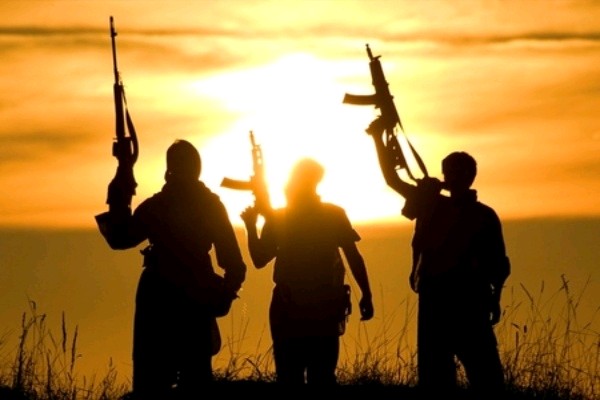
According to intelligence assessments, the proposed force is expected to consist of more than 8,000 ideologically radicalised youths and is allegedly aimed at enforcing Sharia law across the country, thereby reshaping Bangladesh’s governance framework.
Officials claim the NAR is being conceived as an alternative to the existing police system, with the unit tasked with ensuring rigid enforcement of religious laws. Intelligence Bureau sources indicate that the move is designed to fundamentally alter internal security mechanisms.
The plan is reportedly being driven by Pakistan’s Inter-Services Intelligence (ISI) in coordination with the Pakistan Army. Inputs suggest that multiple preparatory meetings have already taken place as part of the groundwork for establishing the unit.
Sources further reveal that Pakistan’s strategy involves building parallel armed and policing structures in Bangladesh. The process of identifying individuals with strong pro-Pakistan leanings and deep radical affiliations is said to be underway.
Within the Bangladesh Army, however, there remain senior officers—including Army chief General Waker-Uz-Zaman—who support democratic governance. Intelligence officials believe this is prompting efforts by the ISI to reorganise the military hierarchy by installing officers aligned with Pakistan’s interests.
As part of this alleged restructuring, Pakistan has reportedly identified Brigadier (Retd) Abdullahil Aman Azmi to supervise the transition. Azmi, described as deeply radicalised, is the son of former Jamaat-e-Islami chief Golam Azam.
Indian intelligence agencies have learnt that Azmi has held multiple meetings with senior Pakistani officials and is likely to be assigned a significant role within Bangladesh’s security establishment. Initial plans reportedly involve positioning him as an advisor in the Home Ministry.
Once elections are conducted, officials claim the advisory post would be dissolved, paving the way for Azmi to assume leadership of the proposed NAR.
Since Muhammad Yunus assumed charge, several Pakistani diplomats have reportedly relocated to Bangladesh and are engaged in frequent consultations with Dhaka officials. Intelligence sources identify Azmi as a key intermediary facilitating communication between Pakistani and Bangladeshi officials.
These meetings are said to be taking place at the Banani Officers’ Housing Scheme in Dhaka, where several Pakistani diplomats are accommodated. One such meeting, held on December 23, has drawn the attention of Indian intelligence agencies.
That meeting reportedly involved Azmi and Pakistan’s Deputy High Commissioner Mohammad Wasim at the same residential complex. Officials believe the interaction signals preparations for a larger strategic move.
Additional meetings between senior ISI operatives and Pakistani diplomats in Dhaka have also been flagged. Intelligence officials warn that these interactions suggest a coordinated attempt to influence Bangladesh ahead of the proposed February 2026 elections.
While agencies believe there may be efforts to destabilise the electoral process, they assess that such attempts may not fully succeed. The broader objective, sources say, is to replicate Pakistan’s governance model in Bangladesh.
Despite the presence of an elected civilian government in Pakistan, real authority rests with the military leadership under Field Marshal Asim Munir. Intelligence agencies believe a similar power structure is being envisaged for Bangladesh.
Elections, officials note, would be conducted largely to avoid international pressure—particularly from the United States—even as effective control remains with the military and the proposed NAR.
Under this alleged blueprint, the NAR would gradually replace the police force, while Pakistan-aligned elements within the Bangladesh Army would oversee national administration.
The ultimate goal, intelligence sources claim, is to push Bangladesh toward complete radicalisation. ISI-backed groups such as Jamaat-e-Islami are said to be supportive of the plan, viewing the NAR as a mechanism to enforce strict adherence to radical Islamic practices.
Simultaneously, the army would be led by figures loyal to Pakistan, ensuring long-term influence over state institutions.
Indian intelligence agencies acknowledge that the situation presents growing challenges, with multiple developments unfolding rapidly. Officials warn that disinformation campaigns allegedly driven by the ISI are heightening tensions, while covert efforts to penetrate key institutions continue to raise serious security concerns. (Edited)