

Bhaona Goes Viral: CM Sarma Hails Heritage. Majuli’s Mask Art Wins Global Spotlight After GI Tag Boost.
Guwahati Dec 9: Assam’s traditional theatrical art form Bhaona has captured widespread digital attention after multiple performance clips went viral across social media, bringing unprecedented focus to the exquisite Majuli Mukha (mask) craftsmanship.
Amplifying the trend, Chief Minister Himanta Biswa Sarma shared a handcrafted Hanuman mask on X, writing that Bhaona’s viral popularity highlights the heart of its charm—Majuli’s iconic mask art.
He said the mask reflects the artisans’ dedication to preserving heritage, adding that such art and Sanatan parampara keep us rooted as Bharatiya.
Viral Surge and Cultural Recognition
Short video clips—especially Bhaona sequences portraying devotional scenes like Kalia Daman – have attracted thousands of views and enthusiastic reactions online, with users praising the expressive skill and devotion of young performers.
The rising interest follows a major milestone for the art form: Majuli masks were awarded a Geographical Indication (GI) tag in March 2024, formally recognising their cultural authenticity and historic significance.
The status is expected to enhance visibility for the craft both nationally and internationally. ((Source: Village Square, ForumIAS)
Majuli Masks: Core of the Bhaona Legacy
Bhaona, conceptualised by saint Srimanta Sankardev in the 15th–16th century, relies heavily on masks to depict mythological characters from Hindu epics.
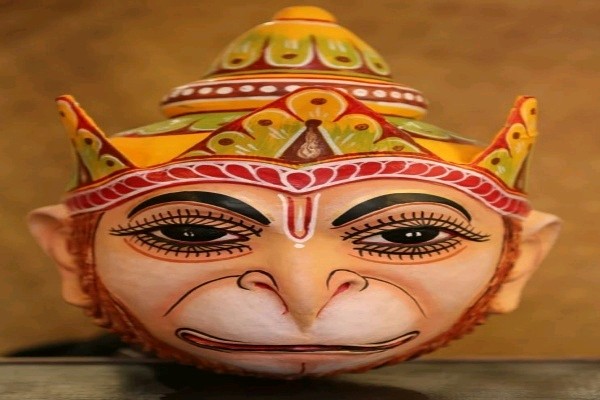
These include gods, demons (Rakhshas), and animals, making masks the visual and emotional backbone of performances.
- The mask-making tradition, known as Mukha Shilpa, is preserved within Majuli’s sattras, notably Samaguri Sattra, considered the leading hub of the craft.
- The masks are known for their eco-friendly design, made using bamboo frames, clay, cow dung, and natural pigments. (Source: The Hindu, MeMeraki).
- Master artisan and Sangeet Natak Akademi award winner Hem Chandra Goswami has introduced innovations like movable-jaw masks (Silkoi Mukha) to allow smoother dialogue delivery and enhance stage impact. (Source: The Hindu, The Wire).
Future Prospects
Cultural researchers believe that the viral wave, combined with the GI tag and state endorsement, could significantly strengthen preservation efforts for the 500-year-old art form and improve economic prospects for the khanikars (traditional mask makers) of Majuli.
