

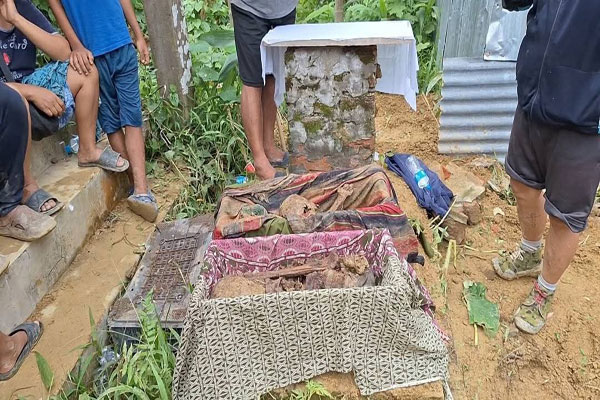
The landslide crisis in Tlaksih village of Jampui Hills in Tripura has worsened after residents relocated two more graves, taking the total to 32 since 2023. Villagers blame the NH44A road project for repeated land erosion and have renewed demands for compensation, rehabilitation, and accountability.
Quick Glance
- Two additional graves were exhumed and relocated in Tlaksih village on June 10.
- Total number of relocated graves has reached 32 since the landslides began in 2023.
- Residents allege the NH44A project triggered land subsidence and recurring slope failures.
- Villagers seek compensation, rehabilitation support, and a detailed investigation.
Grave Relocations Continue
Agartala/Jampui Hills: The ongoing landslide disaster in Tlaksih village has entered a more troubling phase. On Tuesday, villagers exhumed and relocated two more graves after fresh signs of land instability emerged in the affected area.
The latest relocation has increased the total number of graves shifted from the village burial grounds to 32 since 2023. Residents say the situation reflects the continuing deterioration of the landscape and the absence of effective remedial measures.
Located in the picturesque Jampui Hills of North Tripura district, Tlaksih has long been known for its scenic beauty and rich cultural heritage. However, recurring landslides have transformed the century-old settlement into one of the state’s most vulnerable villages.
Villagers Blame NH44A Construction for Terrain Instability
Residents continue to attribute the crisis to the construction of NH44A. According to villagers, road-building activities altered the natural structure of the hillside and weakened slope stability.
They allege that poor planning and unscientific execution of the project disrupted the fragile ecosystem of the region. Since then, cracks have continued to appear across the village, while portions of land have gradually sunk or shifted.
The eastern side of Tlaksih remains among the worst-affected areas. Villagers report that several stretches have become unsafe for habitation due to continuous ground movement.
Homes, Plantations and Community Assets Remain at Risk
The landslides have damaged more than just burial grounds. Residents claim that homes, agricultural plantations, roads, and community infrastructure have suffered extensive losses over the past three years.
Many families continue to live in fear, particularly during the monsoon season when heavy rainfall increases the likelihood of fresh landslides.
Local residents say the uncertainty has affected daily life. Some families have restricted movement near vulnerable zones, while others worry about the safety of their homes and farmlands.
Emotional Impact Extends Beyond Physical Damage
The repeated exhumation of ancestral graves has deeply affected the community. For many families, relocating the remains of their loved ones has become an emotionally painful process.
Community elders describe the situation as a cultural tragedy. They argue that the destruction of burial sites has disrupted long-standing traditions and inflicted psychological distress on affected families.
The relocation of graves has also become a powerful symbol of the village’s ongoing struggle for recognition and support.
Villagers Revive Long-Standing Demands
The latest incident has revived demands first raised in 2024. On June 21 that year, hundreds of residents gathered near the Jampui Hill RD Block office at Vanghmun under the banner “Save Tlaksih Village.”
The protesters submitted a memorandum to the Chief Minister through Block Development Officer Nabarun Chakraborty.
In their representation, villagers sought compensation for damaged properties and plantation losses. They also urged the government to rebuild Tlaksih as a model village and implement long-term safeguards against landslides.
Residents now claim that many of those concerns remain unresolved despite repeated appeals.
Key Developments at a Glance
| Particulars | Details |
|---|---|
| Village | Tlaksih |
| Location | Jampui Hills, North Tripura |
| Crisis Began | 2023 |
| Graves Relocated | 32 |
| Major Concern | Recurring landslides and land subsidence |
| Alleged Cause | NH44A construction activities |
| Key Demands | Compensation, rehabilitation, investigation, protective measures |
Demand for Investigation and Rehabilitation Intensifies
Community leaders are calling for an independent assessment of the landslides and their causes. They want experts to examine whether the NH44A project contributed to the recurring slope failures.
Villagers have also demanded immediate protective measures to stabilize vulnerable areas. In addition, affected families seek rehabilitation assistance and long-term resettlement support where necessary.
Residents argue that three years of recurring damage indicate the need for urgent intervention. They insist that authorities must act before the situation deteriorates further.
A Village Waiting for Relief
As Tlaksih continues to battle land erosion and instability, frustration among residents is growing. The relocation of 32 graves underscores the severity of the crisis and highlights the broader risks facing the village.
With monsoon rains approaching, villagers fear that fresh landslides could trigger additional damage. They have renewed calls for accountability, scientific assessment, and immediate government action to protect lives, property, and cultural heritage.
People Also Ask (FAQs)
Why are graves being relocated in Tlaksih village?
Graves are being relocated because recurring landslides and land erosion have destabilized burial grounds, making them unsafe.
How many graves have been relocated since the landslides began?
A total of 32 graves have been relocated from Tlaksih village since the crisis started in 2023.
What are the main demands of the villagers?
Residents are demanding compensation, rehabilitation support, an investigation into the landslides, and long-term measures to protect the village.
