

Quick Glance
- Petrol prices rose by 87 paise per litre, while diesel rates increased by 91 paise.
- Delhi petrol price moved closer to Rs 100 per litre after the latest revision.
- Rising crude oil prices and West Asia tensions triggered the fresh hike.
- The Centre assured citizens that fuel stocks remain stable across India.
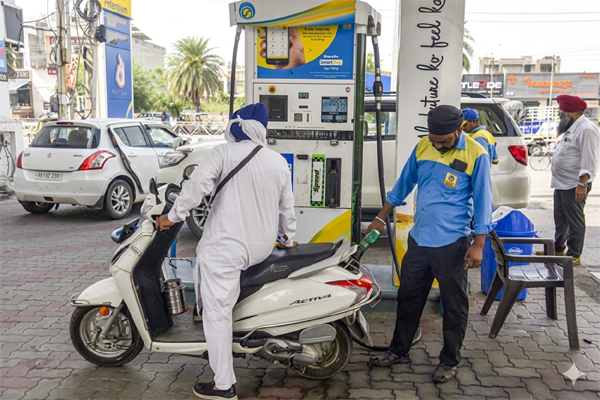
New Delhi, May 23: Petrol and diesel prices increased across India for the third time in 10 days on Saturday. State-owned oil companies revised fuel rates amid rising global crude oil prices and geopolitical tensions in West Asia. The latest hike has raised concerns among commuters, transport operators, and businesses already struggling with higher operating costs.
Petrol, Diesel Prices Rise Again Across Major Indian Cities
Fuel prices continued their upward trend across India on Saturday. State-run oil marketing companies implemented another nationwide revision in petrol and diesel prices. This marked the third increase within a span of just 10 days.
Petrol became costlier by 87 paise per litre. Meanwhile, diesel prices increased by 91 paise per litre. Officials linked the fresh revision to the continuous rise in international crude oil prices. They also cited geopolitical instability in West Asia as a major reason behind the increase.
The repeated hikes have intensified pressure on household budgets. In addition, transport operators and small businesses fear further increases in operational expenses in the coming weeks.
Delhi Petrol Price Nears Rs 100 Mark
The latest revision pushed petrol prices in Delhi close to the Rs 100 mark. Diesel prices also recorded a sharp increase in the national capital.
| City | Petrol Price | Diesel Price |
|---|---|---|
| Delhi | Rs 99.51/litre | Rs 92.49/litre |
| Kolkata | Rs 110.64/litre | Rs 97.02/litre |
| Mumbai | Rs 108.49/litre | Rs 95.02/litre |
Earlier, petrol in Delhi was priced at Rs 98.64 per litre. Diesel was available at Rs 91.58 per litre before the latest increase.
Kolkata and Mumbai also witnessed significant hikes. Fuel prices in metro cities now remain among the highest in recent months.
Global Crude Oil Market Drives Domestic Fuel Rates
Industry experts believe that the global crude oil market continues to dictate domestic fuel prices in India. Crude oil prices have remained volatile due to tensions in West Asia and uncertainty in global supply chains.
India imports a major portion of its crude oil requirement. Therefore, any increase in international crude prices directly impacts domestic fuel rates. Analysts said that unstable geopolitical conditions have created fresh concerns in energy markets worldwide.
Moreover, fluctuations in shipping costs and currency exchange rates are also adding pressure on fuel imports.
Transport and Business Sectors Feel the Heat
The latest fuel hike has created fresh worries among transport operators, cab drivers, and logistics companies. Many businesses already face higher transportation expenses due to previous fuel revisions.
Experts warned that rising fuel prices could trigger a chain reaction in the economy. Transportation costs may increase further. Consequently, prices of essential commodities and consumer goods may also rise.
Several economists pointed out that inflationary pressure may intensify if fuel prices continue to climb over the next few weeks. Sectors dependent on road transport could face the biggest impact.
Small traders and delivery-based businesses may also struggle to manage rising operating costs.
Centre Assures Stable Fuel Supply Across India
The latest price revision came shortly after the Ministry of Petroleum and Natural Gas issued a public statement regarding fuel availability.
The ministry assured citizens that petrol and diesel supplies remain stable across the country. Officials urged people not to indulge in panic buying or create unnecessary crowds at petrol pumps.
According to the ministry, oil marketing companies are continuously monitoring fuel distribution networks. Authorities also said they are coordinating supply systems to avoid disruptions at retail outlets.
The ministry further stressed the importance of responsible fuel consumption during this period of high demand and global uncertainty.
Officials confirmed that distribution chains remain under close observation to ensure uninterrupted supply in all regions.
Earlier Fuel Hike Added More Pressure
Earlier on May 16, oil marketing companies had increased petrol and diesel prices by nearly Rs 3 per litre in several cities. That revision had already triggered public concern over inflation and rising transportation costs.
The latest increase has further added to the burden on consumers. Many daily commuters now expect travel expenses to rise in the coming days.
Public transport operators may also revise fares if fuel prices continue to increase.
Government Defends Fuel Price Revision
Despite criticism from consumers and opposition parties, government officials defended the fuel price revision. Officials stated that rising import costs have forced authorities to revise retail fuel rates.
They argued that maintaining stable fuel supplies remains a priority amid volatile global crude markets. Authorities also highlighted that international geopolitical tensions continue to affect energy trade and supply systems.
Government sources indicated that officials are closely monitoring international developments before taking further decisions on fuel pricing.
Impact on North East India
The fuel price increase may also affect consumers in North East India, including Tripura, Assam, Meghalaya, and Manipur. Transport costs in the region remain comparatively higher due to difficult terrain and long-distance supply chains.
In Tripura, rising fuel prices could impact passenger transport, food delivery services, and commodity transportation. Businesses dependent on interstate logistics may face additional financial pressure if fuel rates continue to rise.
People Also Ask
Why did petrol and diesel prices increase in India?
Fuel prices increased due to rising international crude oil prices and geopolitical tensions in West Asia that affected global energy markets.
How much did petrol and diesel prices increase?
Petrol prices increased by 87 paise per litre, while diesel prices rose by 91 paise per litre.
Will rising fuel prices affect inflation?
Yes. Higher fuel prices generally increase transportation and logistics costs. As a result, prices of essential goods and services may also rise.
