

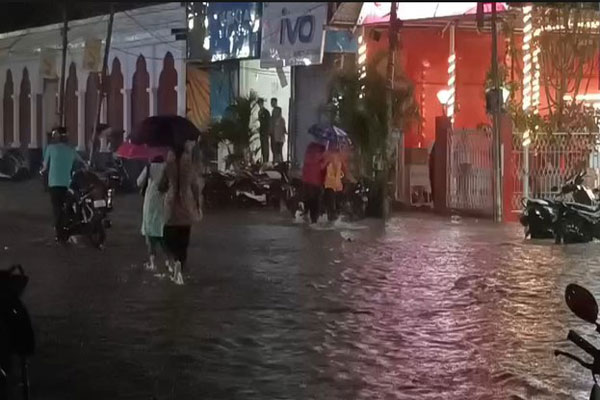
The IMD, Agartala has predicted continuous rains and thunderstorms across Tripura on June 22, 2026 and onwards, raising serious concerns among the farmers and local traders fearing disruption in the local economy. Also, the residents of Agartala and other low-lying areas are already worried about the water-logging-related inconvenience owing to half-done excavation works in the Municipality areas. The weather alert highlights possible heavy rainfall in four districts, raising concerns over agriculture, road connectivity, local markets and economic activities.
Quick Glance: Tripura Monsoon Impact 2026
- Light to moderate rain is expected across many parts of Tripura until June 28.
- Heavy rainfall of 7–11 cm is likely at isolated locations in South, Gomati, North and Dhalai districts.
- Farmers may face risks from strong winds, crop damage and waterlogging.
- Roads, markets and local businesses may experience temporary disruption.
Agartala: The IMD, Agartala has issued a weather forecast warning for Tripura, predicting widespread rainfall activity for the next 7 days. The forecast indicates that light to moderate rain or thundershowers are likely at many places across the state.
Furthermore, isolated heavy rainfall between 7 cm and 11 cm may occur in South Tripura, Gomati, North Tripura and Dhalai districts during the initial forecast period.
According to our on-the-ground report in Tripura, communities are closely watching rainfall patterns as monsoon showers increase. The concern is not only about heavy rain but also its impact on farming, transportation and local economic activity.
The weather system is expected to continue until June 28. Therefore, farmers, traders and residents may need to prepare for short-term disruptions.
Heavy Rainfall Warning Raises Agricultural Concerns Across Tripura
Agriculture remains one of the key sectors that may feel the impact of continuous rainfall. Tripura’s rural economy depends significantly on farming activities, plantations and seasonal production.
The weather advisory has highlighted risks from strong winds and thunderstorms. Such conditions can damage standing crops and plantations.
Banana and papaya cultivation may face particular challenges because strong winds can uproot plants. Furthermore, excessive rainfall can create waterlogging problems in agricultural fields.
Farmers may need to focus on drainage management to reduce crop losses. During thunderstorms, outdoor farming activities should be avoided for safety reasons.
According to the advisory, rainfall-related risks include:
| Sector | Possible Impact |
|---|---|
| Agriculture | Crop damage, plantation loss and waterlogging |
| Horticulture | Damage to banana, papaya and other plants |
| Rural workers | Safety risks during lightning and storms |
| Farming operations | Temporary suspension during severe weather |
However, moderate rainfall can also support agricultural growth when water levels remain manageable. The overall impact will depend on rainfall intensity and local field conditions.
Roads and Transport Network May Face Monsoon Pressure
Continuous rain often creates challenges for road connectivity, especially in vulnerable locations. The weather bulletin has warned about possible waterlogging, reduced visibility and minor disruptions.
Low-lying urban areas may experience temporary flooding during heavy showers. Furthermore, slippery roads can increase travel difficulties for commuters.
Speaking exclusively to Enewstime Desk, officials confirmed that monitoring road conditions and drainage systems remains important during active rainfall periods.
The possible road-related challenges include:
- Reduced visibility during heavy rain.
- Temporary water accumulation on roads.
- Traffic delays due to wet conditions.
- Possible minor landslide-related disruptions in vulnerable areas.
In addition, authorities may need to maintain quick response systems. Clearing drainage channels and managing affected routes can reduce inconvenience for residents.
Local Economy and Traders Prepare for Rain-Related Challenges
The monsoon forecast has also created concerns among local traders and small businesses. Continuous rainfall can affect customer movement, transportation and supply chains.
Markets often experience lower customer activity during heavy rain. Furthermore, businesses dealing with perishable goods may face additional challenges.
Retailers and roadside vendors may need to protect their products from moisture damage. Transport delays can also influence the movement of goods.
According to our on-the-ground report in Agartala, traders are monitoring weather updates as rainfall may influence daily business activity.
Key economic concerns include:
| Economic Area | Possible Effect |
|---|---|
| Retail markets | Reduced customer movement |
| Transport | Delivery delays |
| Small businesses | Temporary decline in sales |
| Agriculture markets | Supply fluctuations |
However, proper planning can reduce losses. Businesses can improve preparedness by protecting stock, managing storage and tracking weather developments.
Temperature Remains Stable Despite Active Monsoon Conditions
While rainfall activity continues, temperatures are not expected to show major changes. The Meteorological Centre, Agartala has indicated that maximum and minimum temperatures are likely to remain near normal for the next three to four days.
Consequently, the main concern remains rainfall impact rather than heat conditions.
Furthermore, continued weather monitoring will remain important because thunderstorm activity may affect normal routines.
Residents, farmers and business owners are advised to follow official weather updates and take necessary precautions.
Rain Forecast Until June 28: Need for Better Preparedness
The weather outlook suggests that rain and thundershowers will continue across Tripura during the coming days. Between June 24 and June 26, rainfall activity is expected at many places.

From June 26 to June 28, rain may continue, although no specific warning has been issued for that period.
An internal document reviewed by Enewstime highlights the importance of preparedness during monsoon conditions, particularly for vulnerable communities and economic sectors.
The current weather situation underlines the need for coordinated action between residents, farmers, traders and authorities.
News Analysis: Residents of Low-Lying Areas in Agartala Perspective
How can continuous rain affect everyday life in low-lying areas?
For residents in low-lying parts of Agartala, the biggest challenge is managing water accumulation during intense rainfall.
Even short periods of heavy rain can affect roads, drainage systems and daily movement. Residents may face difficulties reaching workplaces, schools and markets.
Furthermore, electricity and communication services may experience temporary interruptions during storms.
The immediate priority remains safety and preparedness. Residents should avoid unnecessary travel during thunderstorms and follow official warnings.
Better drainage maintenance and faster response systems can reduce the impact of recurring monsoon challenges.
News Analysis: Trader Perspective
What does prolonged rainfall mean for Tripura’s local economy?
For traders, monsoon conditions directly influence customer movement and supply chains. Heavy rain can slow business activity and create logistical difficulties.
Small businesses may face challenges in transporting goods, maintaining stock quality and attracting customers during bad weather.
However, monsoon preparedness can help businesses continue operations. Traders who protect inventory and adapt to changing customer behaviour may reduce losses.
The wider economic impact will depend on rainfall duration, infrastructure response and market adaptability.
Tripura’s monsoon season remains a test of resilience for farmers, traders and communities as continuous rain shapes economic activity across the state.
