

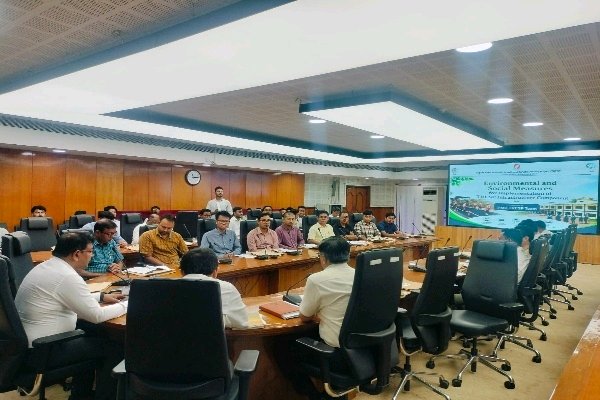
The Tripura Rural Economic Growth & Service Delivery Project (TRESP) organized a state-level workshop on Environmental and Social Safeguards at Pragna Bhawan on Saturday.
Officials, engineers, and technical experts discussed sustainable infrastructure practices for road and school construction projects across rural and tribal areas of Tripura.
Quick Glance
- TRESP conducted a safeguard sensitization workshop in Agartala.
- The project includes 88 roads covering 288 km and 16 school buildings.
- It highlighted Environmental and Social Management Plan (ESMP) norms.
- Officials stressed sustainable construction and community participation.
TRESP Focuses on Sustainable Infra Development in Tripura
Agartala: In a significant step toward sustainable infrastructure expansion, the Tripura Rural Economic Growth & Service Delivery Project conducted a state-level sensitization workshop and training programme on Environmental and Social Safeguard Measures in Agartala.
The programme, organized at Pragna Bhawan, brought together senior government officials, engineers, contractors, technical experts, and field-level stakeholders associated with infrastructure execution under TRESP.
The workshop mainly focused on integrating environmental and social safeguards into infrastructure projects. Special attention was given to road construction and school building development works being undertaken in different aspirational blocks of Tripura.
Officials said the initiative aimed at strengthening coordination among agencies and ensuring that development projects are implemented responsibly and sustainably.
Officials Stress Environmentally Responsible Construction Practices
Addressing the gathering, Chief Operating Officer Gajendra Verma emphasized the importance of environmentally sound development practices.
He stated that all infrastructure activities must follow sustainable construction methods. According to him, environmental protection and social accountability should remain central to every public development project.
Verma also noted that safeguard compliance improves transparency and coordination among departments involved in implementation works. He added that responsible infrastructure planning helps reduce ecological damage while ensuring long-term public benefit.
TRESP Infrastructure Projects to Improve Rural Connectivity
Project Director Subhasis Das explained that TRESP is a multi-sector development initiative designed to strengthen connectivity, education infrastructure, and livelihood opportunities in remote and tribal regions of Tripura.
He informed that major infrastructure works are currently being implemented under the project across 11 aspirational blocks in the state.
Key Infrastructure Components Under TRESP
| Infrastructure Component | Proposed Development |
|---|---|
| Roads | 88 roads covering nearly 288 km |
| School Buildings | 16 new school infrastructure projects |
| Coverage Area | 11 aspirational blocks in Tripura |
Das stated that these projects are expected to improve transportation access, educational facilities, and service delivery mechanisms in underserved regions.
He further said better road connectivity would help rural communities access healthcare, markets, educational institutions, and government services more efficiently.
ESMP Guidelines Highlighted During Technical Sessions
The workshop also highlighted the importance of the Environmental and Social Management Plan (ESMP), which is mandatory in projects supported by the World Bank.
Officials explained that the ESMP framework ensures that development activities comply with environmental sustainability standards and social inclusion principles.
Technical experts from multiple departments conducted detailed sessions during the programme. Several critical issues related to infrastructure execution were discussed extensively.
The sessions covered:
- Pollution control mechanisms
- Groundwater management norms
- Waste disposal systems
- Fire safety measures
- Labour welfare standards
- Regulatory compliance procedures
Participants were also briefed on environmental monitoring methods and mitigation strategies that can minimize construction-related impacts on local communities and ecosystems.
Focus Placed on Worker Safety and Community Participation
Another major focus area of the workshop was workplace safety at construction sites.
Experts stressed the mandatory use of personal protective equipment (PPE) during infrastructure works. Contractors and engineers were advised to ensure compliance with safety standards to avoid workplace accidents and environmental hazards.
Officials also highlighted the need for active community engagement during project implementation. According to speakers, local participation strengthens transparency and improves acceptance of development activities in rural areas.
Participants were encouraged to follow all environmental norms and adopt sustainable construction practices throughout project execution.
Capacity Building Seen as Key to Long-Term Sustainability
The programme concluded with the distribution of certificates among participants.
Officials described the workshop as an important capacity-building exercise under TRESP. They said the initiative would strengthen awareness regarding environmental and social safeguard measures in future infrastructure projects across Tripura.
The training programme is expected to improve institutional coordination and promote responsible development practices in rural infrastructure expansion initiatives.
Experts believe such workshops can play a crucial role in balancing development needs with environmental protection and social welfare objectives in the North Eastern region.
People Also Ask (FAQs)
What is TRESP in Tripura?
TRESP, or Tripura Rural Economic Growth & Service Delivery Project, is a multi-sector initiative aimed at improving rural connectivity, education infrastructure, and livelihoods in tribal and remote areas of Tripura.
What was discussed in the TRESP safeguard workshop?
The workshop focused on environmental protection, social safeguards, pollution control, labour welfare, safety standards, and sustainable infrastructure practices for road and school construction projects.
How many infrastructure projects are planned under TRESP?
The project includes the development of 88 roads spanning around 288 kilometres and construction of 16 school buildings across 11 aspirational blocks in Tripura.
