

In a village where the international border is part of everyday life, Durga Puja has become more than an annual religious celebration. At Kathalchhari in Sabroom under the South Tripura District, villagers from different backgrounds are joining hands to prepare for the festival. Their collective effort highlights a strong spirit of unity and harmony in this frontier settlement.
Key Takeaways:
- Kathalchhari village in Sabroom has started preparations for its annual Durga Puja nearly 60 days before the festival.
- The community expects to spend around Rs 1.40 lakh, with residents contributing money, labour and time.
- Despite border restrictions requiring programmes to end by 10 pm, villagers say the festival strengthens communal harmony.
Sabroom (Tripura), August 18: The countdown to Durga Puja has begun in Kathalchhari village of Sabroom Nagar Panchayat in Tripura. The village falls under Ward No. 9 and lies close to the Bangladesh border.
The festival is still around 60 days away. However, villagers have already started preparations.
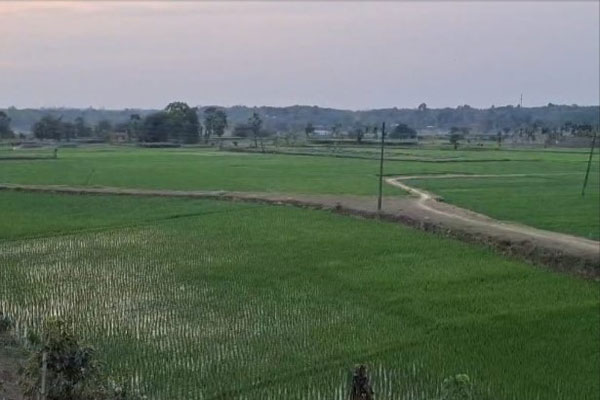
Kathalchhari remains largely dependent on agriculture. Most families earn their livelihood from farming. Residents spend much of the year working in fields and managing their agricultural activities.
Durga Puja offers them a welcome break from their routine. The festival brings families and neighbours together. It also creates an opportunity for the entire village to share joy.
Community-led Durga Puja celebration
Kathalchhari organises its Durga Puja through collective participation. No single individual or institution takes responsibility for the event.
Instead, local residents contribute according to their ability. Some provide financial assistance. Others contribute labour and time.
The estimated budget for this year’s celebration stands at around Rs 1.40 lakh. Villagers are working together to arrange the various aspects of the festival.
This community-led approach remains one of the defining features of the Kathalchhari Durga Puja.
Festival promotes communal harmony
The celebration also carries a message of communal harmony. Residents from different religious, caste and social backgrounds join the preparations.
The festival therefore extends beyond religious rituals. It provides a common platform for villagers to interact and celebrate together.
For the residents, the preparations themselves become part of the festival. Collective work strengthens social bonds within the village.
The atmosphere gradually changes as the puja approaches. People begin planning programmes, arrangements and other activities. The village then moves towards several days of celebration.
Border location brings restrictions
Kathalchhari’s location near the Bangladesh border also affects the way residents celebrate the festival.
The international border and barbed-wire fencing lie close to the village. Security considerations remain important during major public gatherings.
As a result, puja programmes must conclude by 10 pm during the festival days. The restriction limits the duration of evening activities.
However, local residents say the regulation does not reduce their enthusiasm. They continue to prepare for the festival with the same excitement as in previous years.
The villagers have learned to balance their festive traditions with the requirements of a sensitive border location.
Agriculture and celebration come together
For the farming community, the festival also marks a special period of the year. Residents work throughout the year to support their families.
The arrival of the autumn festival creates a different atmosphere. The sound of dhak and the smell of incense add to the festive mood.
For several days, the otherwise quiet settlement becomes lively. Families come together. Neighbours meet. Children take part in the celebrations.
The festival provides residents with a shared occasion to set aside their daily pressures and enjoy time together.
A message beyond the border: Enewstime Desk Perspective
The story of Kathalchhari carries significance beyond the village itself. A border fence separates the territories of India and Bangladesh. Yet the villagers believe that physical boundaries cannot weaken human relationships.
Their annual Durga Puja reflects that belief. Collective participation remains at the heart of the celebration.
As preparations continue, the people of Kathalchhari are looking forward to the arrival of autumn. They expect the festival to once again fill the border village with devotion, happiness and togetherness.
For the residents, Durga Puja is not only a religious occasion. It is also a celebration of community spirit.
In a settlement shaped by the realities of a sensitive international border, that message of unity has become an important part of the festival.