

Questions over the fate of key laws passed by the Tripura Tribal Areas Autonomous District Council (TTAADC) have resurfaced after Tipra Motha chief Pradyot Kishore Manikya Debbarma met the Governor.
He sought clarity on bills pending for years and raised wider concerns over tribal rights, recruitment and reservation in the autonomous areas.
Key Takeaways
- Pradyot Debbarma urged the Tripura Governor to review several TTAADC bills pending for years.
- The bills cover land, recruitment, administrative reforms and customary laws.
- Debbarma also raised concerns over reservation policy and employment opportunities in TTAADC areas.
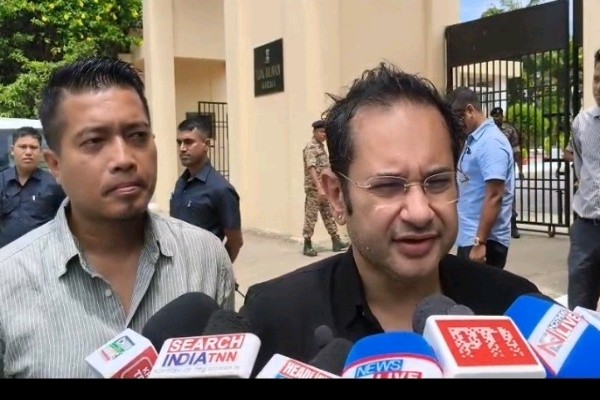
Pradyot Kishore Manikya Debbarma has urged the Tripura Governor to review the status of several bills passed by the TTAADC. He said many of the proposed laws have remained stuck for years.
Debbarma raised the issue during a meeting with the Governor. He also submitted a letter seeking intervention over the delay.
The bills cover several key areas. These include land, administrative reforms, recruitment policy and customary laws.
Pradyot Kishore said the TTAADC is an elected body. He argued that people voted for its representatives to make laws for the autonomous areas.
However, the bills cannot take effect without the required constitutional process.
Pradyot Raises Questions Over Bill Delay
Debbarma said the delay did not start recently. He claimed that several bills have remained pending for many years.
He also highlighted a procedural issue involving the state government.
According to Debbarma, the TTAADC sends its bills to the state government through the Tribal Welfare Department. The state government then forwards them to the Governor.
He said some bills passed by the council may not have reached the Governor.
“If the bills do not reach the Governor, how can the Governor sign them?” Debbarma asked.
He urged the Governor to seek an explanation from the state government if bills passed by the council have not been forwarded.
Bills Cover Land, Recruitment and Customary Laws
The TTAADC has passed several bills over the years, Debbarma said.
These include a land bill, an administrative reforms bill, a recruitment policy bill and customary law bills.
He said the delay creates a political problem for elected representatives.
People ask why laws promised to them have not taken effect, he said.
Debbarma also referred to legal proceedings concerning delays in giving assent to bills. He cited the Supreme Court position in the Tamil Nadu Governor case and said a constitutional authority cannot keep bills pending indefinitely.
However, he noted that the process in Tripura differs because the bills pass through the state government before reaching the Governor.
Focus on People Before Party Politics
Debbarma also responded to criticism from CPIM and Congress leaders.
He said he was not concerned about political attacks. Instead, he wanted political leaders to focus on the interests of Tripura and its people.
He questioned whether leaders should put their parties first or the people of the state.
Debbarma said the same question applies to leaders across political parties, including BJP, Congress and CPIM.
He stressed that political differences should not come in the way of issues such as land rights, employment and tribal empowerment.
Concerns Over Employment and Reservation
Employment emerged as another major issue in his remarks.
Debbarma referred to a recent decision concerning recruitment and domicile requirements. He said Tripura already faces significant unemployment.
The Tipra Motha supremo questioned the impact of allowing applicants from outside the state to secure jobs when local employment remains a major concern.
He also discussed a High Court observation related to reservation policy in the TTAADC.
Debbarma said his personal view differs from a straightforward application of the state reservation policy within the autonomous council.
TTAADC Autonomy Central to Debate
Pradyot Kishore said the TTAADC was created under the Sixth Schedule of the Constitution. He argued that its autonomous character should receive due consideration in recruitment.
He said tribal communities should receive adequate preference in TTAADC employment.
At the same time, he said non-tribal minorities living in the autonomous areas should also receive opportunities.
However, he opposed a situation where tribal communities receive a smaller share of jobs despite the council being designed to protect tribal interests.
Debbarma clarified that this was his personal opinion. It was not presented as the official position of the TTAADC or a statement on the pending court proceedings.
Pradyot Kishore Says People Come First
Debbarma also addressed questions about political alliances and criticism from rival parties.
He said political parties may criticise him because of his current alliance position. He described such criticism as part of politics.
However, he said his larger concern was the welfare of the people.
He also referred to the pending Tripartite Agreement. Debbarma said he had been told that efforts were underway to resolve the matter.
“I hope so, but I have got no information,” he said.
Debbarma said he did not want to be remembered simply as a successful politician.
He said he wanted to be remembered as a good human being who remained honest and spoke openly about issues affecting the people.
The TTAADC bill issue, reservation policy and employment concerns are likely to remain important subjects as Tripura continues its debate over tribal autonomy, local rights and political representation.
