

Tripura has emerged as the top-performing Northeastern state in implementing the PM-KUSUM scheme after installing 8,364 solar-powered irrigation pumps across the state. The initiative, led jointly by the Power Department and TREDA, aims to boost sustainable agriculture, expand irrigation coverage, and improve farmers’ income through renewable energy solutions.
Quick Glance
- Tripura installed 8,364 solar-powered irrigation pumps under PM-KUSUM.
- Another 2,531 solar pumps are currently under installation across the state.
- The scheme has already benefited over 8,300 farmers and irrigated 41,820 kani of farmland.
- Agriculture Minister Ratan Lal Nath inspected project sites in Mohanpur, West Tripura district.
Tripura Strengthens Green Agriculture Through PM-KUSUM
Agartala: Tripura has accelerated its push toward sustainable farming by expanding solar-powered irrigation systems under the Pradhan Mantri Kisan Urja Suraksha evam Utthan Mahabhiyan (PM-KUSUM) scheme. The state government claims that the initiative has already transformed irrigation access for thousands of farmers across rural areas.
The project is being implemented jointly by the Tripura Power Department and the Tripura Renewable Energy Development Agency (TREDA). Officials say the programme focuses on reducing farming costs while promoting clean and renewable energy in the agricultural sector.
Agriculture and Farmers Welfare Minister Ratan Lal Nath announced that 8,364 solar irrigation pumps have already been installed in different districts of the state. In addition, authorities are currently working on another 2,531 units.
According to the Minister, the completed installations have directly benefited 8,364 farmers. The upcoming projects are expected to extend support to more than 2,500 additional cultivators after completion.
Minister Visits Solar Irrigation Sites in Mohanpur
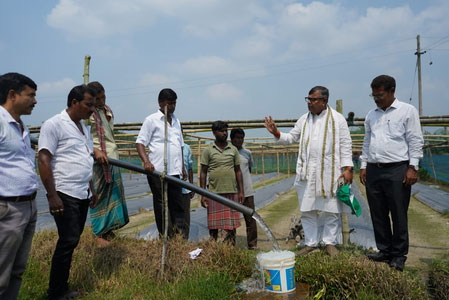
On Monday, Minister Ratan Lal Nath visited Satdubia village in Mohanpur subdivision under West Tripura district to inspect a solar-powered irrigation facility developed under the PM-KUSUM scheme.
During the visit, he also toured a solar-powered tea garden village in Mohanpur and interacted with local farmers and residents. He reviewed the functioning of the irrigation system and discussed the benefits of solar energy-based farming support.
The Minister said farmers are receiving irrigation water and electricity support through solar energy without facing additional financial pressure. He added that the project has improved agricultural productivity and generated confidence among rural farming communities.
Local cultivators reportedly informed the Minister that the scheme has lowered irrigation expenses and reduced dependence on conventional electricity sources.
Farmers Pay Only a Small Fraction of Pump Cost
Explaining the financial structure of the project, Nath said each solar-powered irrigation pump costs nearly Rs 3 lakh. However, farmers need to contribute only Rs 15,000 for installation.
The remaining expenditure is covered by the government under the PM-KUSUM scheme. According to the Minister, Tripura is fully bearing the subsidy burden to ensure wider access to irrigation facilities for farmers.
He further claimed that Tripura has secured the top position among Northeastern states in implementing the PM-KUSUM programme. Nath also stated that he personally inspected multiple project sites and interacted with beneficiary farmers to assess the effectiveness of the initiative.
The government now plans to expand the project further in order to cover more agricultural land and support additional cultivators.
Large Irrigation Expansion Target Set by Government
The state government initially set a target of installing 10,895 solar irrigation pumps under the PM-KUSUM programme. Authorities aim to bring 54,475 kani of agricultural land under irrigation coverage through the project.
So far, 8,364 pumps have become operational. These installations have helped irrigate around 41,820 kani of agricultural land across the state.
Officials said work on another 2,531 pumps is progressing steadily. After completion, these additional units are expected to irrigate another 12,655 kani of farmland.
PM-KUSUM Implementation Status in Tripura
| Component | Current Status |
|---|---|
| Solar Pumps Installed | 8,364 |
| Additional Pumps Under Installation | 2,531 |
| Farmers Benefited So Far | 8,364 |
| Expected Additional Beneficiaries | 2,531 |
| Agricultural Land Irrigated | 41,820 kani |
| Additional Land Expected Under Irrigation | 12,655 kani |
| Total Target Pumps | 10,895 |
Renewable Energy Boosting Rural Economy
Officials believe the PM-KUSUM initiative is becoming a major support system for Tripura’s agricultural economy. Solar-powered irrigation systems are helping farmers reduce operational costs and dependence on traditional electricity-based irrigation.
Experts also point out that renewable energy-based farming infrastructure can strengthen climate-resilient agriculture in states like Tripura, where farming remains heavily dependent on seasonal rainfall.
The growing use of solar irrigation systems is expected to encourage sustainable cultivation practices and ensure uninterrupted irrigation support in rural regions.
Government departments involved in the project maintain that continued expansion of solar-powered irrigation infrastructure will help increase crop productivity while improving the economic condition of farming households.
News Analysis
Tripura’s rapid implementation of the PM-KUSUM scheme reflects the state government’s focus on combining renewable energy with agricultural development. The large-scale installation of solar-powered irrigation pumps indicates a strategic effort to reduce farmers’ dependence on conventional electricity and expensive irrigation methods.
The financial model also appears farmer-friendly, as beneficiaries contribute only a small portion of the installation cost. This subsidy-driven approach could increase participation among small and marginal farmers.
Another important aspect is the state’s attempt to promote climate-resilient agriculture. Reliable irrigation through solar energy can help reduce risks associated with irregular rainfall and rising electricity costs.
If the government achieves its remaining installation targets, the project may significantly improve irrigation coverage and agricultural productivity in Tripura over the next few years.
People Also Ask (FAQ)
What is the PM-KUSUM scheme?
The PM-KUSUM scheme is a Central Government initiative that promotes solar energy use in agriculture through solar pumps and renewable power generation systems.
How many solar irrigation pumps has Tripura installed?
Tripura has installed 8,364 solar-powered irrigation pumps so far under the PM-KUSUM programme.
How much do farmers pay for a solar irrigation pump in Tripura?
Farmers contribute around Rs 15,000, while the remaining cost is covered by the government. (Edited)