

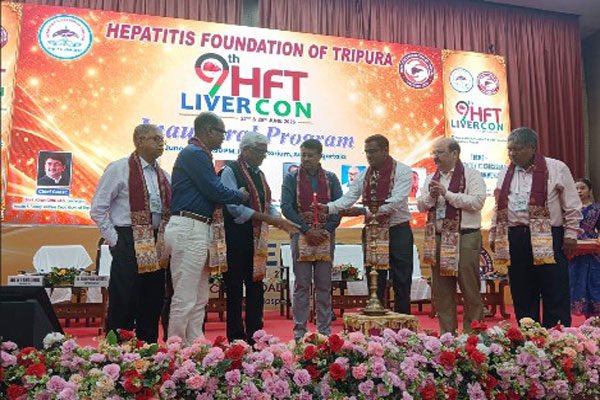
At the two-day LiverCon-9 conference, hosted at Agartala Government Medical College, leading public health experts issued an urgent call to prioritize preventive hepatology and disciplined lifestyle modifications. Addressing the sharp rise in metabolic liver disorders, specialists emphasized early community-based screening, scientific dietary habits, and systemic lifestyle changes over late-stage tertiary clinical treatments.
Our Enewstime correspondent reported, the discussion among delegates reflected a major shift away from purely hospital-centric treatments toward preventive care. Moreover, health professionals are increasingly recognizing that rising rates of metabolic illness require immediate, community-wide lifestyle interventions rather than waiting for resource-heavy critical care.
Quick Glance
-
Preventative Policy Shift: Medical experts recommend launching a specialized preventive hepatology fellowship to create a dedicated tier of community health clinicians.
-
Metabolic Disease Surge: Clinical discussions focused on combating non-alcoholic fatty liver disease (NAFLD) caused by sedentary habits and processed diets.
-
Decentralized Awareness: The Hepatitis Foundation of Tripura plans to scale up its 24-year-old grassroots campaign into rural districts for early disease detection.
-
Clinical Training Tracks: Approximately 400 regional medical practitioners underwent training in screening protocols for early-stage hepatic vulnerabilities.
Agartala: The growing prevalence of metabolic liver disorders across Northeast India requires a major shift in public health strategies, moving from reactive treatments to proactive prevention, opined the experts at the LiverCon-9. During the opening sessions of the 2-day ninth LiverCon conference at the Agartala Government Medical College, clinical experts highlighted the rising health challenges caused by sedentary routines, high alcohol consumption, and unbalanced diets, our correspondent reported from the conference venue.
Organized by the Hepatitis Foundation of Tripura, the conference focused heavily on preventive hepatology. This medical approach emphasizes early lifestyle interventions to stop reversible liver conditions from developing into permanent cirrhosis or advanced liver failure.
Tripura Health Secretary Kiran Gitte acknowledged these changing health trends and detailed the state’s plan to integrate preventive awareness into existing health networks. While the administration continues to build advanced treatment infrastructure at G.B. Pant Hospital, experts noted that reducing the long-term burden on hospitals requires a public well-versed in personal preventative care.
Institutional Frameworks for Early Intervention
A key recommendation emerged from Padma Shri awardee Dr. Y. K. Chawla, who urged the state government to launch an official fellowship program in preventive hepatology. Run in coordination with the Hepatitis Foundation of Tripura, this academic track would train medical professionals to design and lead targeted, community-level wellness interventions.
Dr. Chawla strongly emphasized the clinical importance of clear public messaging regarding lifestyle choices. Specifically, reducing alcohol intake, maintaining routine physical activity, and choosing whole foods over ultra-processed diets are proven methods to lower chronic liver risks.
| Clinical Target Area | Primary Risk Factors | Recommended Preventive Action | Institutional Responsibility |
| Metabolic Liver Disorders | Processed foods, sedentary habits | Regular screening, active physical routines | Community Health Centers |
| Toxic Liver Injury | Excessive alcohol consumption | Public awareness, structured counseling | State Health Frameworks |
| Viral Hepatitis Strains | Late diagnostic detection | Routine testing, early vaccination | HFT Mobile Screening Units |
| Advanced Clinical Care | Ignored early symptoms | Specialized super-specialty treatment | G.B. Pant Hospital Outposts |
Supporting this preventive strategy, the upcoming launch of the Ayurvedic Medical College in Udaipur this August 2026 will provide complementary wellness options. By combining traditional lifestyle guidelines with modern hepatology, the state aims to build a more comprehensive preventive healthcare system, Enewstime correspondent added.
Deploying Clinical Knowledge to the Grassroots
The scientific panels on the first day featured practical, data-driven discussions led by prominent medical specialists. Doctors including Dr. Mahesh Goenka, Dr. Ajit Singh Bhadoria, Dr. Shubhabrata Ganguly, Dr. Akash Ray, Dr. Bhaskar Jyoti Baruah, Dr. B. B. Rewari and others analyzed effective screening methods for community hepatology.
The sessions provided the 250 doctors and 150 healthcare workers in attendance with clear guidelines to identify early signs of liver stress during routine checkups. By training frontline medical staff to spot these early indicators, the initiative seeks to catch metabolic disorders before they require complex, high-cost hospital interventions.
News Analysis: Enewstime Desk Perspective
An analytical review by the Enewstime desk indicates that the rising demand for liver treatments in Tripura reflects a broader challenge facing local healthcare delivery. For decades, public health systems have focused primarily on treating advanced illnesses rather than preventing them. This reactive approach creates long-term financial strains for families and places a heavy burden on state medical resources.
To build a sustainable healthcare model, local clinics must become active hubs for preventive health. This means health centers should routinely check patients for early metabolic markers, such as non-alcoholic fatty liver changes, during every medical visit. Catching these shifts early allows doctors to help patients adjust their habits before irreversible damage occurs.
Experts clearly underlined that addressing chronic lifestyle diseases requires a strategy that goes beyond standard hospital care and connects directly with people in their communities. Civil society organizations, like the Hepatitis Foundation of Tripura with its 24 years of grassroots experience, are vital to bridging this gap.
By utilizing these existing community networks, the state can deliver clear, practical health education directly to rural and semi-urban populations. This collaborative approach helps translate complex clinical advice into simple, everyday wellness habits. Ultimately, shifting the focus toward community-led prevention reduces pressure on specialized hospital wings and helps create a healthier, more resilient population across the region.