

Access to household drinking water has expanded significantly across Tripura, with more than 6.49 lakh families now connected to piped supply networks. The state government has also set a December 2028 target to ensure regular treated water reaches households in both plain and hilly areas.
Key Takeaways:
- Tripura has provided piped drinking water connections to 649,470 of 750,849 families.
- The government targets regular treated water supply to households across the state by December 2028.
- Two new treatment plants in Agartala will add a combined capacity of 1,191 lakh litres per day.
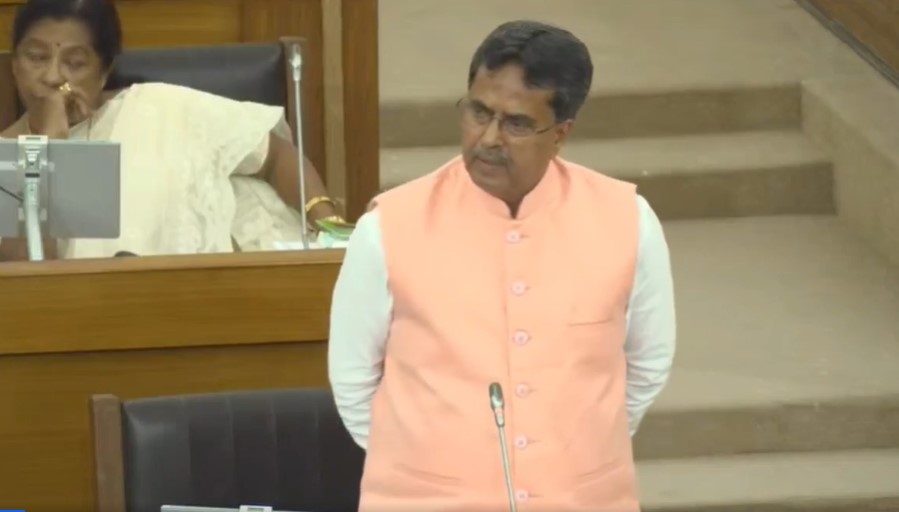
Tripura has achieved 86.50% household coverage under its piped drinking water programme, Chief Minister Prof. Dr. Manik Saha told the State Legislative Assembly on Thursday. Of the 750,849 families in the state, 649,470 have received pipeline connections.
The Chief Minister shared the figures while replying to separate questions from MLAs Jahar Chakraborty and Sudip Roy Barman.
86.50% Families Connected to Piped Water
The latest figures show that a large majority of families in Tripura now have access to drinking water through pipelines.
The government plans to extend this coverage further over the next two years. It expects households across the plains and hills to receive regular supplies of treated drinking water through pipeline connections by December 2028.
The target covers both urban and rural communities. It also places emphasis on areas where difficult terrain can make water infrastructure more challenging.
Over 1.91 Lakh Rural Families Added
The rural drinking water network has also expanded during the past three years.
According to the Chief Minister, 191,106 rural families have been brought under safe drinking water coverage during this period.
The expansion is aimed at improving household access to safe and reliable water. It also supports the wider goal of reducing dependence on traditional water sources.
With 649,470 families already connected, the state still has a significant number of households to cover before reaching universal piped water access.
Tripura Reports 100% Sanitation Coverage
The Chief Minister also provided details on sanitation coverage in the state.
Tripura has 1,193 Gram Panchayats and Village Committees across 765 revenue villages with LGD codes. All Gram Panchayats and Village Committees have achieved 100% sanitation coverage, according to the government.
The figure covers the local bodies operating across the state and reflects the reported expansion of sanitation facilities at the grassroots level.
AMRUT 2.0 Work Reaches 90%
Drinking water infrastructure in urban areas is also receiving attention under the AMRUT 2.0 programme.
Replying to a question from MLA Jitendra Majumdar, Manik Saha said 21,413 families have received drinking water connections under the project.
Around 90% of the project work has now been completed.
The programme is expected to strengthen urban water supply systems and improve access to household connections.
Two Major Water Plants Planned in Agartala
The government has also issued work orders for two new water treatment plants in the Agartala Municipal Corporation area.
One facility will come up at Netaji Adarsha Siksha Mandir. It will be a groundwater treatment plant with a capacity of 550 lakh litres per day.
The second facility will be built at College Tilla. It will be a surface water treatment plant with a capacity of 641 lakh litres per day.
Together, the two plants will have a treatment capacity of 1,191 lakh litres per day.
The groundwater treatment plant is expected to be completed by July 2027. The surface water treatment plant has a January 2028 completion target.
Water Infrastructure Expansion Ahead
The new treatment plants are expected to strengthen the drinking water network in Agartala. They will also increase the availability of treated water for the municipal area.
The projects are part of a broader effort to expand reliable water services across Tripura.
With the current household coverage at 86.50%, the next phase will focus on connecting the remaining families and improving regularity of supply.
The December 2028 target will be a key milestone for the state government as it seeks to provide treated piped drinking water to households across both plain and hilly regions.
