

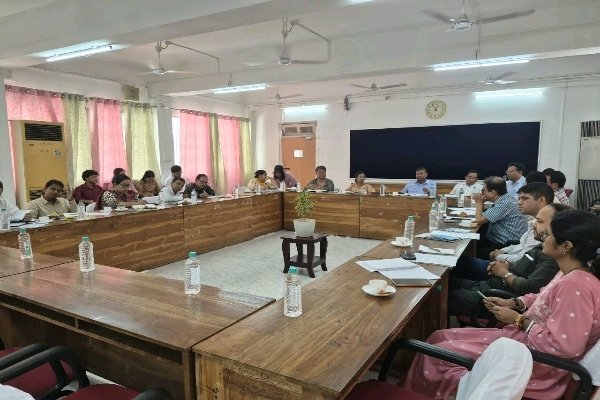
A brainstorming session at SIPARD brought together officials and specialists to identify priority areas, refine research methods and develop an evidence-based framework for future interventions under TRESP 2.0.
Key Takeaways
- SIPARD held a brainstorming session to identify research priorities for tribal development in Tripura under TRESP.
- Experts proposed studies covering education, health, infrastructure, livelihoods, agriculture, sanitation and drinking water.
- The research framework may help shape evidence-based planning and future interventions under TRESP 2.0.
The State Institute of Public Administration & Rural Development (SIPARD) conducted a brainstorming session on tribal research on August 31. The meeting examined potential research studies under the Tripura Rural Economic Growth and Service Delivery Project (TRESP).
The session followed advice from the World Bank to strengthen research around tribal affairs. Participants focused on studies that can generate practical evidence for policy decisions, programme planning and future development initiatives.
The discussions also looked ahead to a broader research vision for TRESP 2.0.
SIPARD Reviews Tribal Research Framework
SIPARD has the mandate to conduct research on tribal development under TRESP. The institute had initially submitted five research proposals during 2023–24.
It later revised the proposals and forwarded four research proposals to the World Bank for concurrence.
The latest brainstorming session aimed to expand the research agenda by incorporating suggestions from government departments, technical experts and development specialists.
Senior Research Officer-cum-Deputy Project Director, TRESP, Sukanta Paul attended the meeting as the representative of the Tribal Welfare Department. The Deputy Director of the Tribal Research and Cultural Institute also participated.
Paul urged SIPARD to continue its research efforts. He stressed the need for detailed proposals with clearly defined objectives, research methodology, indicators and measurable outcomes.
Government Schemes May Form Part of Research
The discussions placed emphasis on evaluating the impact of existing Tribal Welfare Department programmes.
Paul suggested that interventions such as hostels, schools and Eklavya Model Residential Schools could be included as research variables wherever appropriate.
Such an approach could help researchers assess whether government interventions are producing the intended outcomes in tribal areas.
It could also identify gaps in implementation and highlight areas requiring further policy attention.
SIPARD faculty members presented the rationale behind several proposed research themes. These included access to public infrastructure, education, health and well-being and primary-sector growth in tribal communities.
The presentations triggered a wider discussion among specialists from several development sectors.
Experts Suggest Wider Research Areas
The open forum brought together specialists working in agriculture, livestock, fisheries, post-harvest management and livelihoods.
IBSI Specialist Sonali Laskar, Agriculture Specialist Subrata Shib, Livestock Specialist Dr Joydeb Majumder, Fisheries Specialist B. Hizom and Post-Harvest Specialist Biplab Majumdar offered suggestions.
Their inputs covered different aspects that could improve the design and relevance of the proposed studies.
Women empowerment also emerged as a potential research theme. Participants suggested examining the role of Producer Groups under TRESP in strengthening tribal livelihoods and economic participation.
Representatives associated with Deloitte proposed additional areas for study. These included sanitation, drinking water and emerging dimensions of village development.
Tribal Health and Traditional Knowledge Highlighted
Tribal Development Specialist Jiban Debbarma called for greater attention to tribal healthcare services.
He also highlighted superstition and traditional knowledge systems as possible areas for research.
Agriculture Specialist Subrata Shib stressed the importance of identifying the actual problems faced by tribal villages before designing development interventions.
He suggested that research should begin with ground realities and document the challenges affecting communities.
Such evidence could help policymakers design more targeted interventions and provide a stronger foundation for TRESP 2.0.
Line Departments Join Deliberations
Officials from various line departments also contributed to the session.
Participants included Fisheries Nodal Officer Samarjit Roy, Livestock Programme Manager Dr Sujoy and IBCB Programme Manager Amlan Singha.
Young Professionals representing different thematic areas also joined the discussions.
Their participation brought departmental and technical perspectives into the research planning process.
New Proposals May Be Prepared
The meeting also considered the limitations of the available research budget.
Participants noted that the brainstorming session had generated a large number of potentially valuable research ideas. Given the resource constraints, SIPARD may prepare new proposals for the coming year.
At the same time, existing studies could continue with revisions.
The research designs, methodologies and indicators may be modified based on the recommendations emerging from the session.
This approach could allow SIPARD to retain relevant ongoing research while introducing new studies that address emerging development concerns.
Focus Shifts Towards Action-Oriented Research
The session highlighted a shift from purely academic research towards practical and action-oriented studies.
The proposed research could help identify gaps at the village level. It could also assess the effectiveness of existing government programmes.
The findings may eventually support policy formulation and programme design for tribal communities in Tripura.
The brainstorming session therefore created a common platform for SIPARD, government departments and technical experts to shape a stronger tribal research framework.
The meeting concluded with a vote of thanks from Dr Rajib Malakar of SIPARD. Officials and specialists considered the deliberations productive and expected the recommendations to contribute to future research planning and tribal development programmes in the state.
