

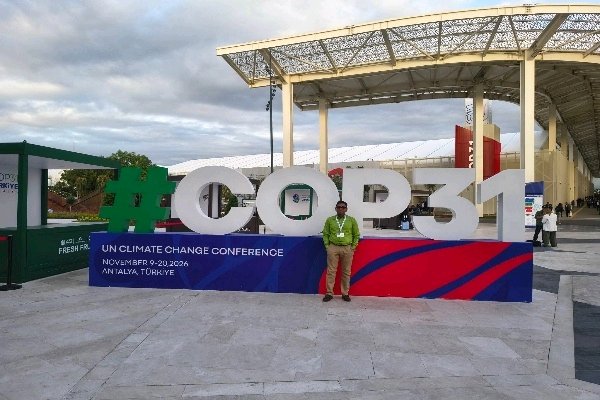
Raising questions over the value of the annual climate event, the 31st UN Climate Change Conference (COP31) ended in Antalya, Türkiye, on November 22, 2026, without agreement on its central Cover Decision. The failure followed more than 45 additional hours of negotiations.
Key Takeaways
-
COP31 failed to adopt the proposed Antalya Pact after more than 45 hours of extended negotiations.
-
More than 130 countries reportedly opposed the draft over concerns about fossil fuels, climate finance and the energy transition.
-
India, China, Pakistan and other developing nations supported efforts to secure a balanced agreement based on climate justice.
-
The Antalya deadlock has renewed debate over whether annual COP conferences are delivering measurable climate action.
The failure of COP31 to produce a consensus-based outcome has raised a larger question about the purpose of holding global climate negotiations every year.
Despite extensive diplomatic engagement, thousands of participants and prolonged discussions, countries could not agree on the conference’s central political document.
|Read more Featured Content HERE |
The 31st United Nations Climate Change Conference ended in Antalya, Türkiye, on November 22, after negotiations continued for more than 45 additional hours beyond the scheduled closing time on Friday.
The deadlock recalled the outcome of COP15 in Copenhagen in 2009. That conference also struggled to overcome deep divisions among participating nations over a comprehensive climate agreement.
At the closing plenary, COP31 President Murat Kurum acknowledged that delegates had failed to reach consensus on the proposed Antalya Pact. Kurum, who also serves as Türkiye’s Minister of Environment, Urbanisation and Climate Change, said several participating countries had raised objections to the draft.
He maintained that the presidency had not attempted to impose its proposals. Instead, it had considered individual countries’ demands and worked continuously to reconcile their differences, Xinhua News Agency reported.
The failure highlighted a persistent weakness in global climate diplomacy. Countries can spend days negotiating common positions, yet fundamental disagreements over responsibilities, financing and energy policies can prevent a final agreement.
Why Holding COP Every Year Still Matters
The Antalya outcome has prompted questions about whether annual climate conferences justify the enormous financial, logistical and diplomatic resources they require.
Every year, governments, international institutions, climate scientists, activists, businesses and civil society organisations gather at a different international venue. These conferences provide an important platform for negotiations, political engagement and public scrutiny.
However, the value of annual climate summits should not be measured by attendance figures or the number of negotiating sessions. Their real importance lies in whether they accelerate implementation, mobilise financial resources and hold countries accountable for their commitments.
Climate change does not follow a diplomatic calendar. Rising temperatures, extreme weather events and environmental degradation demand continuous international cooperation. Therefore, annual negotiations remain important because they provide regular opportunities to review progress and address emerging challenges.
Nevertheless, the COP process must move beyond repeated declarations. Each conference should build on the previous year’s commitments and demonstrate measurable improvements.
Climate Finance and Fossil Fuels Divide Participating Nations
The disagreements at COP31 exposed continuing tensions between developed and developing countries.
Developing nations and climate campaigners demanded stronger financial commitments from wealthy economies. Their priorities included climate justice, assistance for vulnerable communities, completion of the Just Transition Mechanism and implementation of the fossil fuel roadmap adopted three years earlier.
They argued that countries facing the greatest climate risks often lack the financial resources needed to prepare for disasters, rebuild damaged infrastructure and protect vulnerable populations.
However, disagreements over climate financing and the speed of the global energy transition prevented consensus.
The proposed draft also attracted criticism over its approach to carbon capture, renewable energy and fossil fuels. Critics argued that it weakened renewable energy ambitions, provided excessive scope for the fossil fuel industry and risked encouraging land acquisition affecting Indigenous communities and farmers in the Global South.
More than 130 countries reportedly opposed the draft. They maintained that it failed to establish a sufficiently ambitious pathway for reducing fossil fuel dependence or securing adequate financial assistance for vulnerable nations.
The rejection prevented the adoption of provisions that critics considered damaging to climate justice.
However, the negotiating failure also demonstrated how disagreements over national interests can undermine collective climate action.
Developing Countries Seek Equity in Global Climate Negotiations
India, China, Pakistan and 21 other members of the Like-Minded Developing Countries (LMDC) supported the Turkish presidency’s efforts to achieve an agreement.
India also engaged with BASIC and other developing-country partners to promote an outcome based on equity, climate finance, adaptation and the principle of Common But Differentiated Responsibilities and Respective Capabilities (CBDR-RC).
These principles remain central to developing nations’ position on climate negotiations. They argue that countries with different historical contributions to greenhouse gas emissions and different economic capacities should not face identical responsibilities.
Although COP31 advanced discussions on Just Transition and Adaptation Finance, these developments could not overcome the failure to adopt the main Cover Decision.
India expressed regret over the absence of consensus but maintained that the negotiating setback would not interrupt its domestic climate initiatives.
The country highlighted its renewable energy progress, including solar capacity exceeding 170 GW.
It also reiterated its commitment to multilateral cooperation as countries prepare for COP32.
UN Secretary-General Warns That Climate Delays Increase Costs
UN Secretary-General António Guterres expressed deep disappointment over the failure to reach consensus on a central outcome at COP31.
He stressed that the negotiating deadlock had not altered the scientific evidence surrounding climate change. Global temperatures continue to break records, extreme weather events are intensifying and greenhouse gas emissions remain excessively high.
Guterres warned that every delay makes climate action more complicated and increases the financial and environmental costs of addressing the crisis.
Former German Climate Envoy Jennifer Morgan also criticised the outcome. She noted that more than 130 countries, including European Union members, island nations and least developed countries, had opposed a draft that failed to provide adequate climate finance or accelerate the transition away from fossil fuels.
Her remarks highlighted an important aspect of the Antalya negotiations: multilateral cooperation remains possible even when major disagreements divide participating governments.
Annual COP Meetings Need Accountability, Not Just Agreements
The failure at Antalya does not diminish the need for annual climate conferences. On the contrary, the outcome demonstrates why countries need a regular international platform to review commitments, demand accountability and negotiate solutions.
For vulnerable developing nations, these meetings offer an opportunity to raise concerns that might otherwise receive limited international attention. They also provide a forum to press wealthy countries for financial assistance, technology transfer and support for climate adaptation.
However, annual conferences must produce tangible results between successive meetings. Governments should face greater scrutiny over their implementation records, climate financing commitments and progress towards reducing emissions.
The following priorities should determine the effectiveness of future COP conferences:
-
Accountability: Governments must demonstrate measurable progress on previously announced climate commitments.
-
Climate finance: Wealthier nations must provide predictable financial support to vulnerable developing economies.
-
Energy transition: Negotiations must establish credible pathways towards cleaner energy without overlooking developing countries’ needs.
-
Adaptation: Climate-vulnerable communities must receive practical assistance to prepare for and recover from extreme weather events.
The central lesson from COP31 is that international climate diplomacy cannot succeed through prolonged negotiations alone. Countries need political commitment, financial resources and transparent implementation.
Annual COP meetings remain valuable because climate change requires continuous global engagement. But their credibility will increasingly depend on what governments accomplish after returning home.
Without accountability and measurable action, these conferences risk becoming expensive diplomatic gatherings where countries repeatedly discuss the climate emergency while failing to respond with the urgency it demands. ( With inputs from FB post of Dr Biswendu Bhattacharjee)
