

Assam Chief Minister Himanta Biswa Sarma announced on Thursday, October 29, that Operation Falcon had prevented nine rhino poaching attempts and resulted in 48 arrests, underscoring the state government’s efforts to eliminate rhino poaching and protect the endangered species through enforcement and conservation initiatives.
Key Takeaways
-
Operation Falcon has foiled nine rhino poaching attempts and led to 48 arrests, according to CM Himanta Biswa Sarma.
-
The Assam government aims to strengthen wildlife protection and achieve zero rhino poaching in the state.
-
Project Rhino forms part of the state’s broader efforts to conserve rhinos, protect habitats and preserve biodiversity.
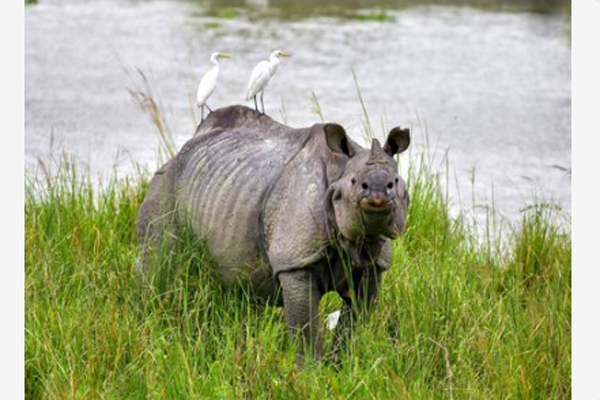
Assam has stepped up its fight against wildlife crime, with Operation Falcon preventing nine rhinoceros poaching attempts and leading to 48 arrests. Chief Minister Himanta Biswa Sarma announced the figures on Thursday, highlighting the state’s efforts to protect the endangered greater one-horned rhinoceros.
In a post on social media platform X, Sarma described the operation’s reported achievements and reiterated the government’s commitment to wildlife conservation. He also highlighted Project Rhino as part of the state’s wider efforts to protect its wildlife heritage.
Operation Falcon Targets Rhino Poaching
According to the Chief Minister, Operation Falcon has successfully thwarted nine attempts to poach rhinos and resulted in the arrest of 48 people.
The operation reflects the importance of preventive action in tackling wildlife crime. By intervening before suspected poaching attempts succeed, enforcement agencies can help protect vulnerable animals and disrupt criminal activities that threaten their survival.
Sarma highlighted the operation through a message on X, drawing attention to the government’s ambition to eliminate rhino poaching in Assam.
“Zero rhino poaching. Now that’s a plot worth protecting,” the Chief Minister wrote.
His statement placed the focus on the state’s goal of preventing rhino deaths caused by poaching. It also underlined the importance of sustained enforcement in protecting one of Assam’s most recognised wildlife species.
The reported arrests represent a significant enforcement outcome. However, the announcement did not provide details about the identities of those arrested, the locations of the nine alleged poaching attempts or the specific circumstances of the cases.
Assam’s One-Horned Rhino Remains a Conservation Priority
Assam is internationally recognised for its population of the endangered greater one-horned rhinoceros. Kaziranga National Park is one of the species’ most important habitats and contributes to the state’s reputation as a major wildlife conservation destination.
The rhinoceros remains vulnerable to poaching because of illegal demand for its horn. Organised criminal networks target these animals for their horns, which enter illegal international markets.
This threat makes the prevention of poaching a central concern for wildlife authorities. Protecting rhinos requires sustained vigilance, effective enforcement and cooperation among agencies responsible for safeguarding wildlife.
Conservation initiatives of the Assam Government have drawn national and international attention because of the importance of protecting the species. Preventing poaching also supports wider efforts to preserve the state’s rich biodiversity.
Intelligence and Surveillance Crucial to Prevention
Effective wildlife protection requires more than action after a poaching incident. Authorities must also identify threats early and prevent suspected offenders from carrying out their plans.
Intelligence gathering, surveillance and regular patrolling play important roles in this effort. Coordination between forest officials and law enforcement agencies is equally necessary to detect suspicious activities and respond to emerging threats.
The reported success of Operation Falcon highlights the value of preventive enforcement. The nine thwarted attempts indicate that authorities intervened before the suspected poaching operations could succeed, while the 48 arrests point to the scale of enforcement action reported by the Chief Minister.
Coordinated operations can also help disrupt suspected poaching networks and reduce the risks facing Assam’s rhino population. Continued vigilance remains essential to sustain these efforts.
Project Rhino to Support Wider Conservation Efforts
Alongside Operation Falcon, Sarma highlighted Project Rhino as another part of the state’s conservation agenda.
The Chief Minister said the next phase of conservation was already underway. The initiative reflects the government’s stated intention to reinforce wildlife protection and habitat conservation.
Project Rhino forms part of Assam’s broader efforts to preserve its natural heritage. Protecting habitats is important to maintaining conditions in which wildlife can survive, while sustained conservation measures help safeguard the state’s biodiversity.
The government has placed the protection of the one-horned rhinoceros among its key environmental priorities. Its stated ambition is to achieve zero rhino poaching across Assam.
The latest announcement puts renewed emphasis on the role of enforcement and long-term conservation in pursuing that goal. Operation Falcon’s reported results demonstrate the importance of preventive action, while Project Rhino represents the wider commitment to protecting the species and its habitat.
Assam’s challenge now remains to sustain these efforts and prevent future poaching attempts. The government’s stated zero-poaching ambition will depend on continued vigilance, effective coordination and consistent action against wildlife crime. (Edited by Enewstime Desk)